

BS 5266 Compliant Solutions
Ensure safe evacuation during power failures with professionally designed emergency lighting systems. PowerArc installs, tests, and maintains BS 5266-compliant emergency lighting for commercial, industrial, and residential properties.
Emergency lighting is a legal requirement for most non-domestic buildings and many residential properties including HMOs and communal areas. These systems activate automatically during a power failure, illuminating escape routes, exit signs, and high-risk areas to enable safe evacuation. PowerArc designs and installs emergency lighting systems tailored to your building's layout, occupancy, and fire risk assessment requirements.
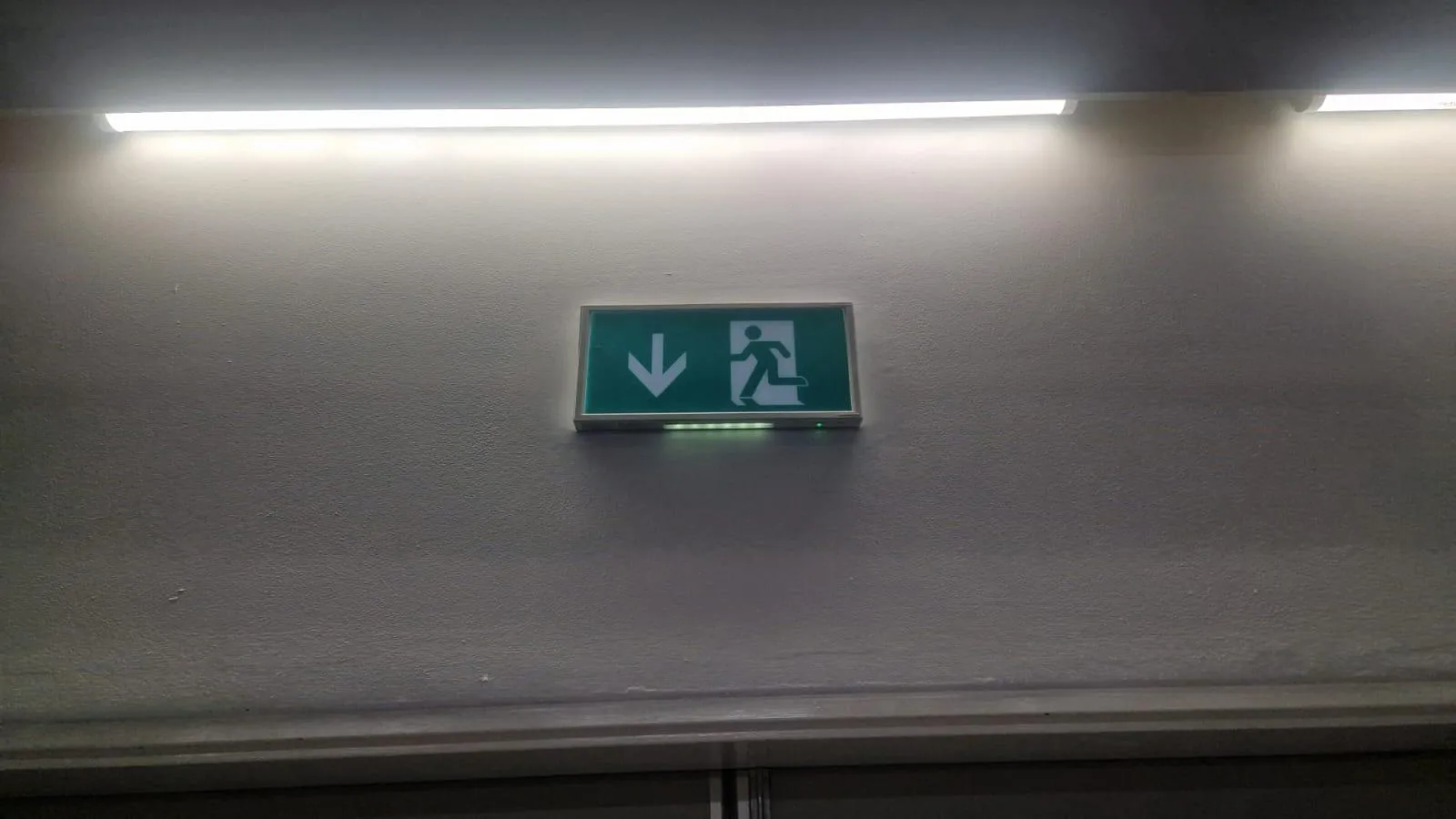
PowerArc installs and services emergency lighting systems across East London and Essex, covering Romford, Hornchurch, Chigwell, Stratford, Woodford, Wanstead, Loughton, Dagenham, and all surrounding areas. We conduct free site surveys to assess your emergency lighting needs, provide detailed design proposals, and install systems with minimal disruption to your business operations.
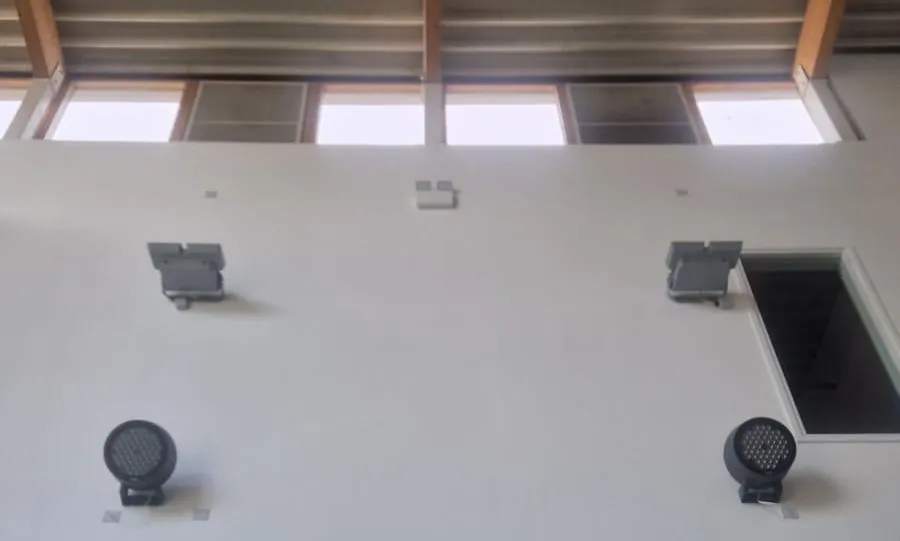
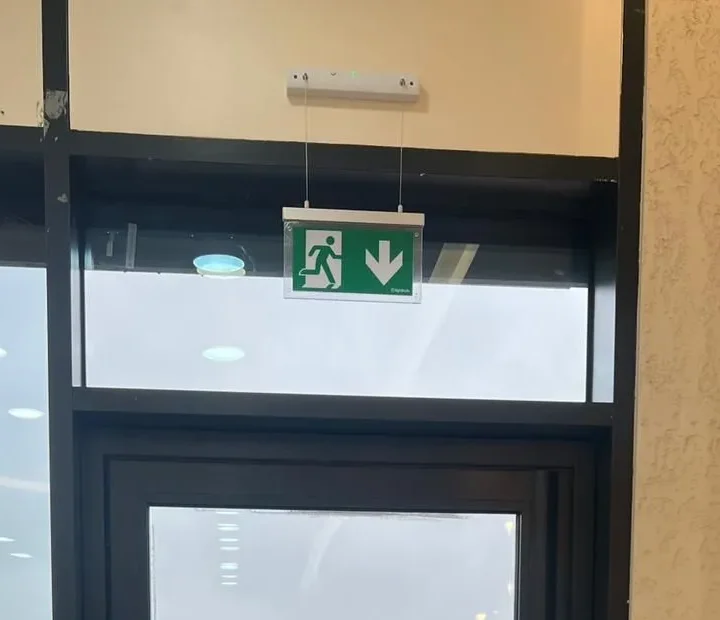
Effective emergency lighting requires careful design. PowerArc's engineers assess your building's escape routes, changes of direction, stairways, final exits, and high-risk areas to determine the optimal placement of emergency luminaires and exit signs. Every design complies with BS 5266-1 and the Regulatory Reform (Fire Safety) Order 2005.
We install both maintained (always on) and non-maintained (activates only during power failure) emergency lighting, as well as combined maintained/non-maintained fittings. Our installations include self-contained battery-backed units and central battery systems for larger buildings.
BS 5266 requires monthly functional tests and annual full-duration discharge tests for all emergency lighting systems. Monthly tests verify that each luminaire operates correctly. Annual tests confirm that batteries maintain the required illumination duration (typically 3 hours) under full discharge conditions.
PowerArc provides comprehensive maintenance contracts covering all required testing. Our engineers document every test result in your emergency lighting logbook, ensuring you maintain an auditable compliance record for fire safety inspections, insurance assessments, and local authority reviews.
All PowerArc emergency lighting installations are carried out by qualified electricians with specialist training in emergency lighting system design and installation to BS 5266. Our work is regularly audited by independent assessors, and every installation comes with full commissioning documentation accepted by building control, fire officers, insurers, and local authorities.

The Regulatory Reform (Fire Safety) Order 2005 requires the responsible person for any non-domestic premises to ensure adequate emergency lighting is provided along escape routes. This applies to offices, shops, restaurants, warehouses, factories, schools, care homes, and communal areas of residential blocks. PowerArc provides expert emergency lighting solutions that meet all regulatory requirements whilst being energy-efficient and aesthetically appropriate for your building.
Escape route lighting illuminates defined escape routes to enable safe movement toward exits. Open area (anti-panic) lighting prevents panic in large spaces by providing sufficient illumination to reach an escape route. High-risk task area lighting ensures potentially dangerous processes can be safely shut down. Standby lighting provides illumination for normal activities to continue during a power failure. PowerArc designs systems incorporating the right mix for your specific building requirements.
Modern LED emergency luminaires offer significant advantages over older fluorescent systems — longer battery life, lower energy consumption, slimmer profiles, and reduced maintenance costs. PowerArc can upgrade your existing emergency lighting to energy-efficient LED technology, often improving light output and coverage whilst reducing ongoing costs.
HMO licensing conditions typically require emergency lighting in all communal escape routes, including corridors, stairways, and lobbies. Many purpose-built residential blocks also require emergency lighting in common areas. PowerArc helps landlords and property managers meet these requirements with cost-effective, reliable emergency lighting installations.
"PowerArc designed and installed emergency lighting across our entire office floor. The fire officer was very impressed with the installation quality during our next inspection. Highly recommended."
— Peter H., Canary Wharf
"Needed emergency lighting in a 12-unit HMO for licensing. PowerArc completed the installation quickly with minimal mess and provided all documentation the council required."
— Angela W., Ilford
"Our warehouse emergency lighting hadn't been tested in years. PowerArc replaced the entire system with modern LEDs and set us up on a maintenance contract. Peace of mind."
— Tom B., Stratford